






Every car, whether it’s a daily commuter or a weekend cruiser, depends on a handful of parts that wear out over time. Replacing them before they fail keeps you safe, protects your engine and saves you from bigger repair bills later.
This guide covers the essential car maintenance parts every driver should know about, what each one does and the signs it needs attention. If you’re looking for a reliable car maintenance parts shop in Dubai, it also explains what to look for.
Why Regular Maintenance Parts Matter
Cars are made of thousands of components, but only some are designed to be replaced on a regular schedule. These car service parts are consumables: filters, fluids, pads, belts and plugs. Swapping them on time prevents a small issue from turning into a breakdown.
Dubai’s heat and stop-start traffic can add extra strain on belts, batteries, cooling parts and brakes, so it’s smart to inspect them more often than you might in a milder climate. Always follow your owner’s manual for exact service intervals, since they vary by make, model and driving conditions.
1. Engine Oil and Oil Filter
Engine oil lubricates moving parts, reduces friction and helps carry heat away. The oil filter traps dirt and metal particles so they don’t circulate through the engine.
Signs it’s time to replace: dark or gritty oil, engine noise, an oil warning light, or you’ve reached the interval in your manual. Always replace the oil filter together with the oil.
2. Air Filter and Fuel Filter
Clean air and clean fuel are essential for smooth combustion. A clogged filter can cause poor acceleration, rough idling and higher fuel use. These are simple, affordable auto maintenance parts with a big effect on performance.
3. Spark Plugs and Ignition Coils
Spark plugs ignite the fuel-air mixture in petrol engines, and ignition coils supply the voltage they need.
Signs of wear: hard starting, misfires, rough idling or a flashing check-engine light. Worn plugs and weak coils often fail together, so check both.
4. Brake Pads, Discs and Brake Fluid
Brakes are your most important safety system, and they wear with every stop.
- Brake pads: replace them when you hear squealing or grinding, or the pedal feels different.
- Brake discs and drums: worn or warped discs can cause vibration when braking.
- Brake fluid: absorbs moisture over time, which reduces braking performance, so it should be replaced at the interval your manufacturer recommends.
5. Engine Belts and Belt Tensioner
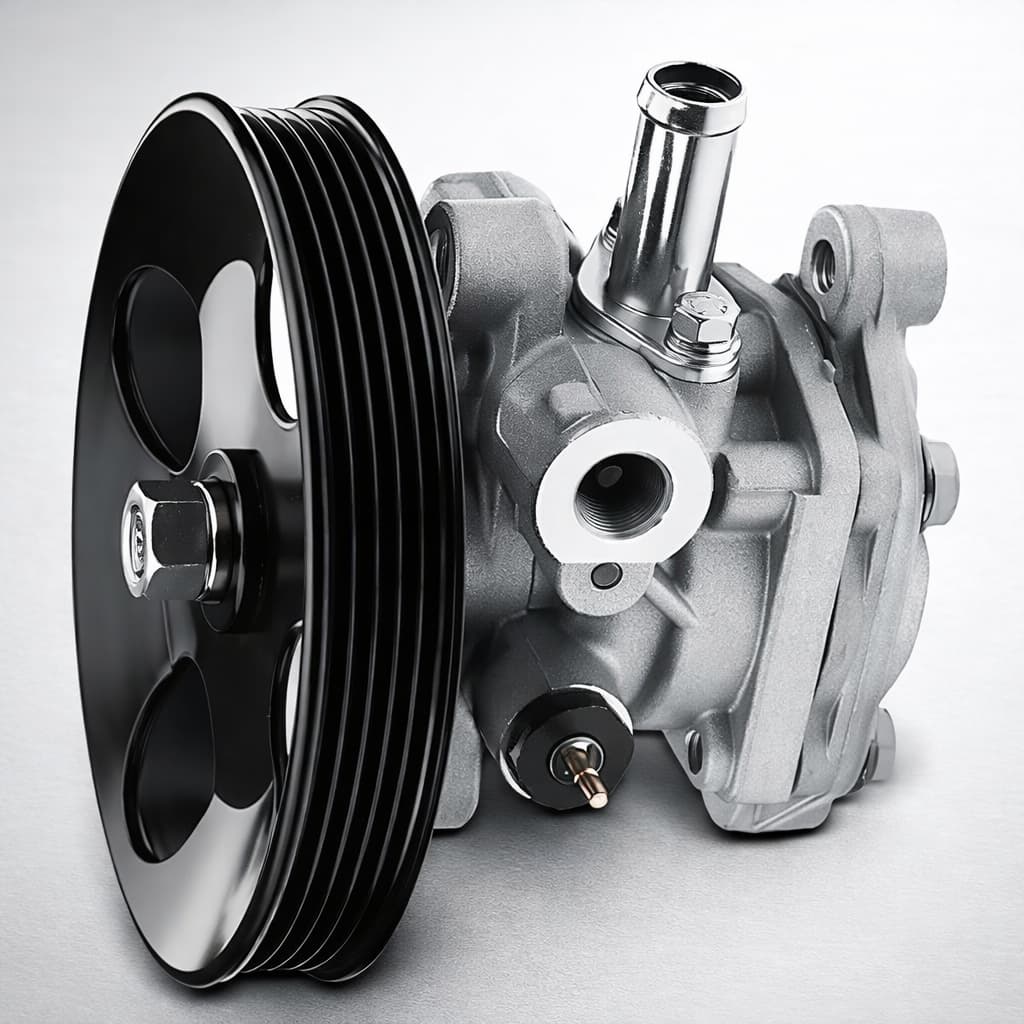
Belts drive the alternator, water pump, power steering and air conditioning. Heat and age cause cracking and glazing.
Signs of wear: squealing on start-up, visible cracks or fraying, or a loose belt. A failed belt can leave you stranded, so replace it before it snaps. A worn belt tensioner should be replaced along with it.
6. Car Battery, Alternator and Starter
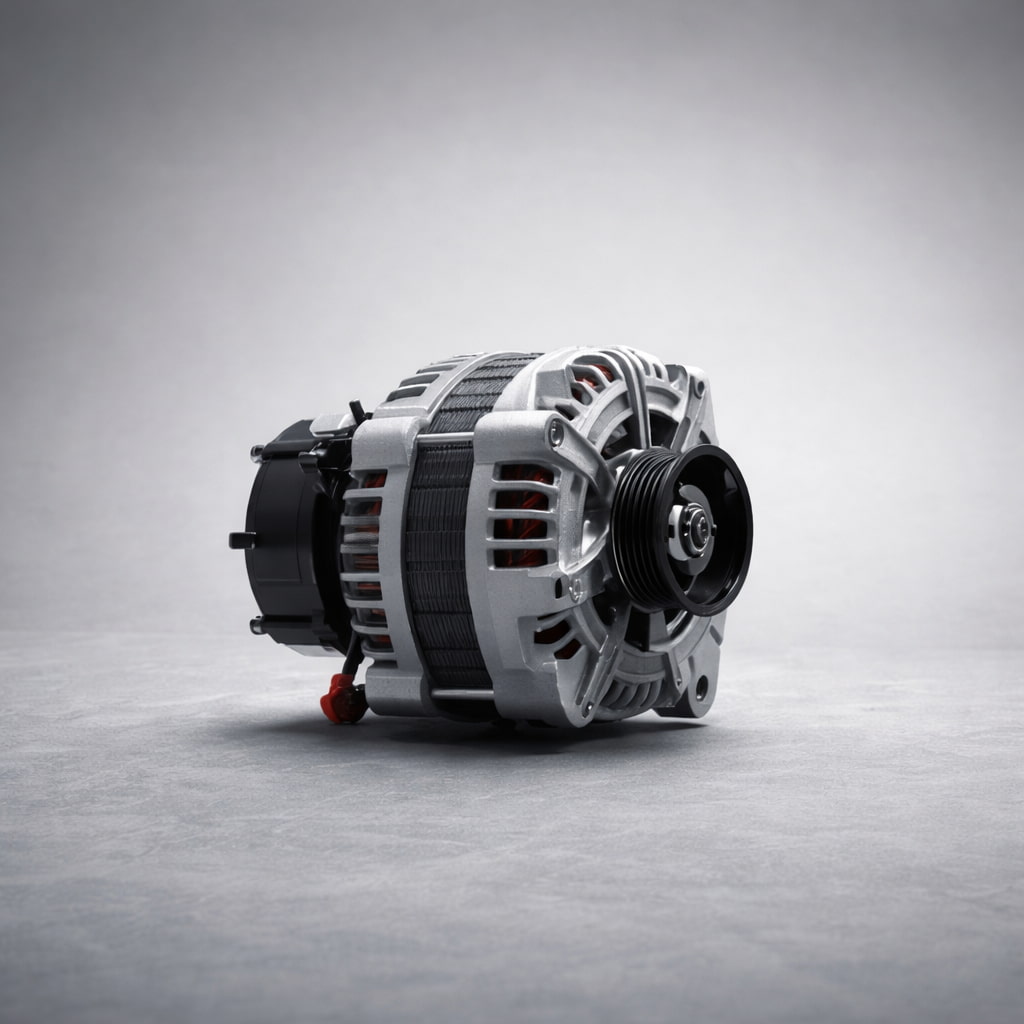
The battery starts your car, and the alternator keeps it charged while you drive.
Signs of trouble: slow cranking, dim lights, a battery warning light or repeated jump-starts. Testing the battery and charging system together helps you find out which part is really at fault.
7. Cooling System Parts
The radiator, radiator hoses, radiator cap, water pump and cooling fan keep the engine at a safe temperature. Overheating can cause serious engine damage, including head gasket failure.
Watch for: a rising temperature gauge, coolant leaks, swollen or cracked hoses, or weak air conditioning airflow.
8. Suspension and Steering Components
Shock absorbers, ball joints, arm bushes, tie rod ends and steering racks keep your car stable and comfortable.
Signs of wear: a bouncy ride, clunking over bumps, uneven tyre wear, or a loose or noisy steering feel. Worn suspension and steering parts affect both comfort and safety.
9. Transmission and Clutch Parts
For manual cars, the clutch kit, clutch master cylinder and clutch cable are key wear items. For automatics, transmission fluid and filters matter. Slipping gears, a spongy clutch pedal or delayed shifting are common warning signs.
10. Wipers, Lights and Other Everyday Parts
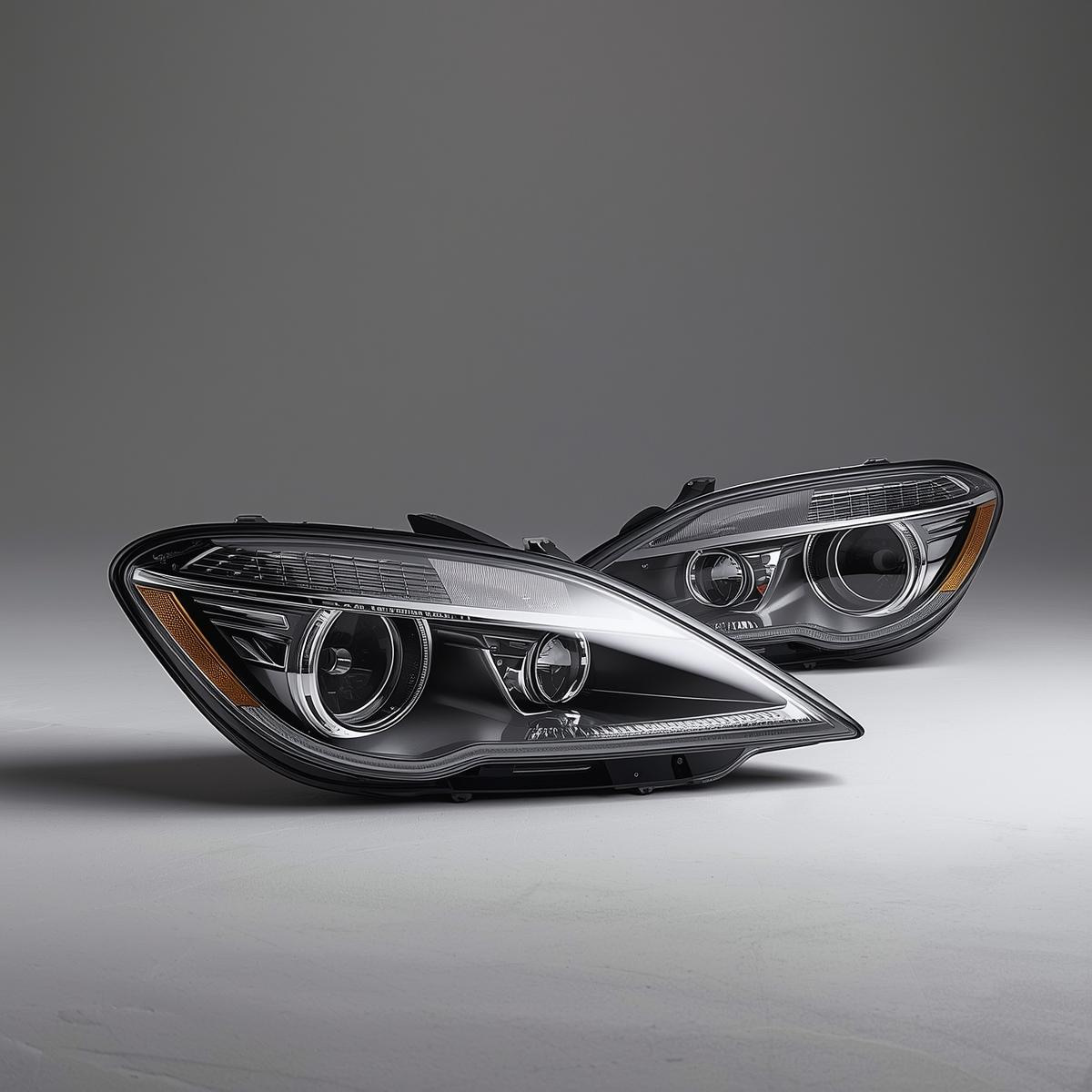
Windshield wipers, headlamps, tail lamps, side mirrors and horns are easy to overlook, but they affect visibility and legal roadworthiness. Replace streaking wipers and dim or blown bulbs right away.
Genuine, OEM or Aftermarket: Which Should You Choose?
When buying car replacement parts, you’ll usually see three options:
- Genuine (original): made by or for the vehicle manufacturer, matching the original specification.
- OEM: produced by the same manufacturers that supply carmakers, often sold under their own brand.
- Quality aftermarket: made by independent brands, often at a lower cost.
The right choice depends on your vehicle, budget and how you use it. What matters most is buying from a supplier that helps you match the exact part to your car.
How to Choose the Right Car Maintenance Parts Shop
A good car maintenance parts shop should offer:
- A wide range across engine, brake, cooling, electrical, suspension and body categories.
- Help identifying the correct part from your car’s brand, model, year or part number.
- Original, OEM and quality aftermarket options.
- Reliable delivery and after-sales support.
- Clear, accessible business details, such as an address, phone number and opening hours.
Shop Car Spare Parts at Fortune Plus Auto
Fortune Plus Auto is an automotive spare parts supplier based in Ras Al Khor Industrial Area 2, Dubai, serving both wholesale and retail customers. Its range covers the parts discussed in this guide, including:
- Engine parts
- Brake system parts
- Filters and lubricants
- Suspension parts
- Engine electrical and fuel parts
- Cooling system parts
- Steering parts
- Transmission and clutch parts
- Body and exterior parts
Ordering is simple. Share your car brand, model, year or part number, and the team will help identify the right part, source it and arrange delivery. They offer original, OEM and quality aftermarket options.
Frequently Asked Questions
1. What are the most essential car maintenance parts?
Engine oil and oil filter, air and fuel filters, spark plugs, brake pads and fluid, belts, the battery and wiper blades are the most common routine replacements.
2. How often should I replace my car service parts?
It depends on your vehicle and driving conditions. Your owner’s manual gives the exact intervals for each part. Hot weather and heavy traffic may call for more frequent inspections.
3. What is the difference between car spare parts and car maintenance parts?
Maintenance parts, like filters, plugs and pads, are replaced regularly as part of servicing. Spare parts is a broader term that also includes components replaced after a failure, such as an alternator or radiator.
4. Are aftermarket car replacement parts safe?
Quality aftermarket parts from reputable suppliers can perform well. Avoid unbranded, unverified parts, especially for safety-critical items like brakes and steering.
5. How do I know which part fits my car?
Use your car’s brand, model, year and, ideally, the part number. A good supplier can confirm compatibility before you buy.