





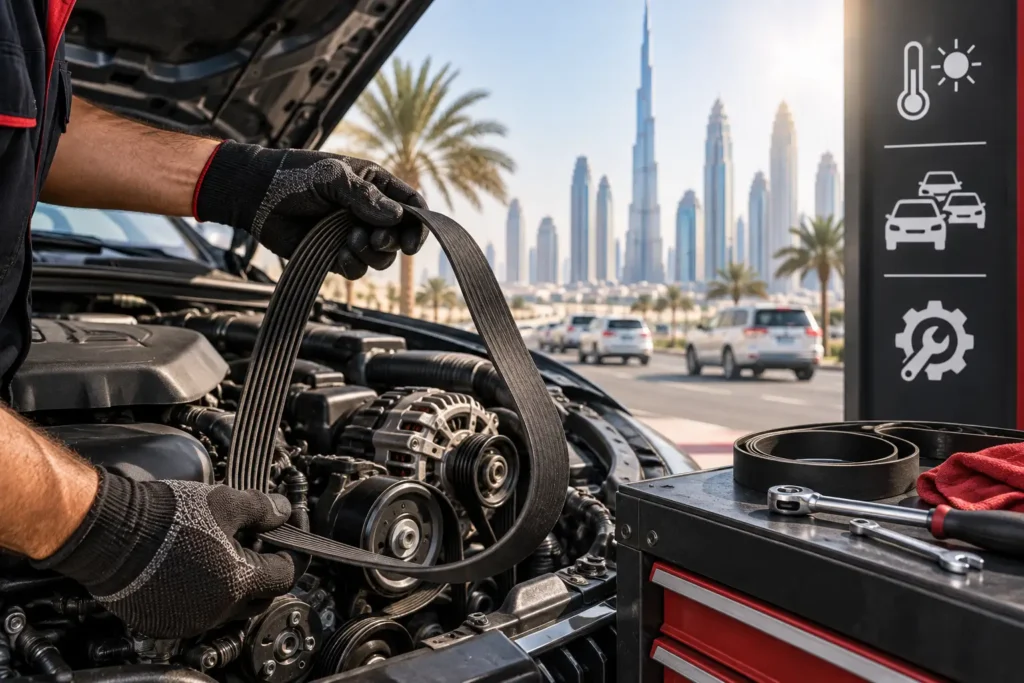
Dubai is tough on cars in ways that are not always obvious. High temperatures, heavy traffic, long periods of idling and frequent use of the air conditioning system all place additional demands on different vehicle components. Belts are no exception.
A car belt may look like a simple rubber component, but it plays an important role in keeping several engine systems working properly. Depending on the vehicle, belts may operate the timing system or drive accessories such as the alternator, air conditioning compressor and power steering system.
Regular inspection can help identify wear before a belt becomes a bigger problem. For vehicle owners in Dubai, understanding how heat and everyday driving conditions affect belt life is an important part of preventive maintenance.
Why Car Belts Need Regular Attention
Modern belts are designed to withstand considerable heat, movement and mechanical stress. However, they do not last forever.
Over time, repeated exposure to engine heat, friction and tension can cause the belt material to lose some of its flexibility. The condition can become worse when a vehicle is frequently driven in stop-and-go traffic or spends long periods idling in hot weather.
The correct maintenance interval depends on the vehicle, belt type and manufacturer’s recommendations. Instead of relying on one mileage figure for every car, owners should follow the service schedule specified for their particular make and model.
For vehicles that use timing belts, following the manufacturer’s replacement schedule is particularly important because a timing belt failure can cause serious engine damage on some engines.
How Dubai Heat Can Affect Car Belts
Dubai’s hot climate means that the engine compartment can become extremely warm, particularly during summer driving. The belt itself is exposed to repeated cycles of heating and cooling every time the vehicle is driven and then parked.
Over time, excessive heat can contribute to:
- Hardening of the belt material
- Loss of flexibility
- Surface glazing
- Cracking
- Fraying around the edges
- Deterioration of the belt ribs
Heat does not automatically mean that every belt needs to be replaced earlier than the manufacturer’s recommended interval. However, it makes regular inspection especially important.
A belt that is regularly exposed to high temperatures should be checked for its physical condition rather than judged by age or mileage alone.
How Dubai Traffic Can Increase Belt Stress
Heat is only part of the equation. Driving conditions also matter.
Heavy traffic often means frequent stopping, accelerating and idling. During these periods, the engine continues running while systems such as the air conditioning and electrical components may remain in use.
Repeated changes in engine speed place changing loads on accessory drive belts and the components that keep them correctly tensioned.
This does not mean that normal Dubai traffic will automatically shorten every belt’s service life. However, a vehicle used mainly for short trips, heavy urban traffic or extended idling may experience a different operating pattern from a car that spends most of its time on open highways.
That is one reason maintenance should consider how a vehicle is driven, not just how many kilometres it has covered.
Timing Belt vs Drive or Serpentine Belt
Not all car belts perform the same job.
Timing Belt
A timing belt synchronises the movement of the engine’s crankshaft and camshaft so that the valves and pistons operate at the correct time.
Timing belts are generally replaced according to a manufacturer-specified mileage and/or age interval. Waiting until a timing belt shows visible damage is not a reliable maintenance strategy because some timing belts can fail without obvious external warning.
If your vehicle uses a timing belt, following the recommended service schedule is essential.
Drive or Serpentine Belt
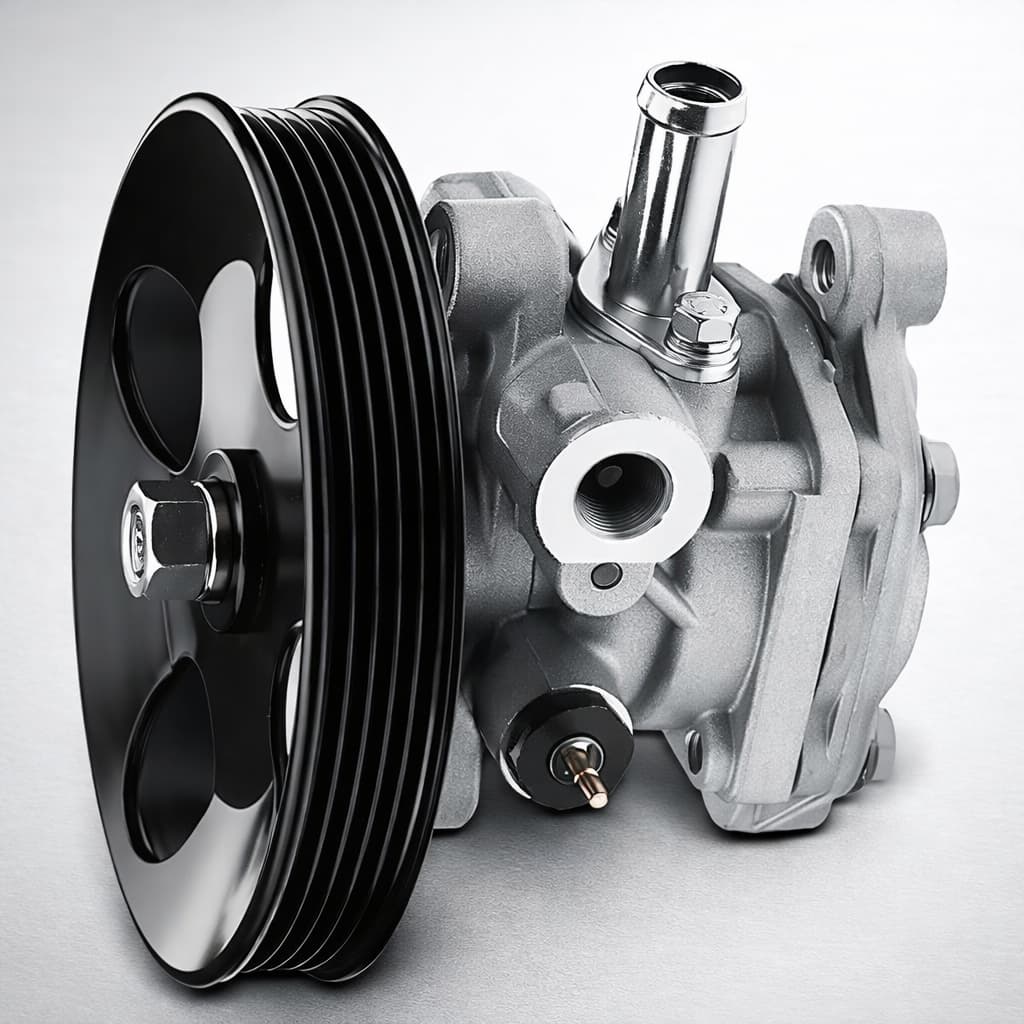
A drive belt, often called a serpentine belt, transfers power from the engine to accessories. Depending on the vehicle, these may include the alternator, air conditioning compressor, power steering pump or water pump.
Unlike many timing belts, an accessory belt may provide visible or audible signs of deterioration.
If you are looking for the correct belt for your vehicle, Fortune Plus Auto’s Engine Belt and Timing & Drive Belts range can be used as the relevant product reference.
Signs Your Car Belt May Need Inspection
A belt does not always fail without warning. During routine maintenance, look for signs that indicate the belt or its related components need attention.
1. Cracks or Splits
Small cracks on the belt surface can indicate deterioration. A few visible marks do not necessarily mean immediate failure, but they should not be ignored.
2. Frayed Edges
If the edges of a belt are beginning to separate or shed material, there may be an issue with belt alignment, tension or the belt itself.
3. Glazed or Shiny Surface
A belt that has developed an unusually smooth or glossy appearance may have experienced excessive friction or heat.
4. Squealing or Chirping
A squealing or chirping sound from the engine bay can sometimes be associated with belt slippage, incorrect tension or a worn belt. However, other components can produce similar noises, so proper inspection is important.
5. Missing or Damaged Ribs
Accessory belts often have multiple ribs that contact the pulleys. Missing, damaged or severely worn ribs are a clear reason to have the belt checked.
6. Related System Problems
A failing accessory belt can affect systems powered by that belt. Depending on the vehicle, symptoms may include charging problems, air conditioning issues or increased engine temperature.
A warning light or unusual vehicle behaviour should not automatically be blamed on the belt. The entire system should be inspected to identify the actual cause.
How Often Should Car Belts Be Inspected?
There is no single inspection interval that applies to every vehicle.
The best starting point is the manufacturer’s maintenance schedule. A professional inspection should also be considered when the vehicle is approaching its recommended belt service interval, has been exposed to demanding driving conditions, or shows signs of belt deterioration.
It is also sensible to have belts checked during routine servicing rather than waiting until a noise or warning appears.
For timing belts, owners should pay particular attention to the manufacturer’s replacement schedule because the consequences of failure can be considerably more serious than those of a worn accessory belt.
What About the Belt Tensioner and Other Components?
Replacing or inspecting a belt without considering the components around it can sometimes miss the real cause of the problem.
A belt system may also include tensioners, idler pulleys and other components that help maintain correct belt movement and tension. If one of these components is worn or damaged, fitting a new belt may not solve the underlying problem.
For this reason, a belt inspection should consider the wider system rather than looking at the belt alone.
Fortune’s Belt Tensioner range is relevant when a worn or damaged tensioner is identified during belt inspection.
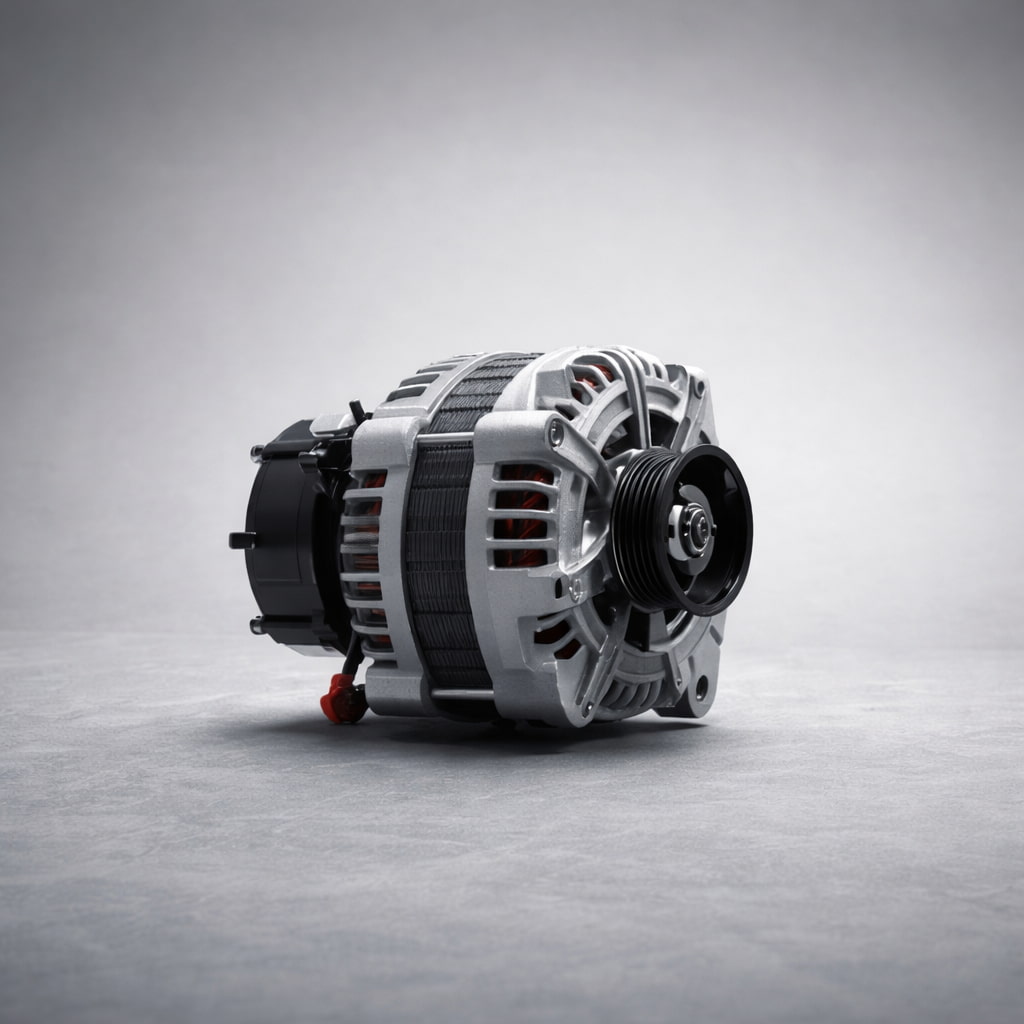
Similarly, depending on the vehicle and belt system, related components such as the Water Pump or Car Alternator may need to be assessed when diagnosing belt-related problems.
How to Extend Car Belt Life in Dubai
Good driving and maintenance habits cannot make a belt last indefinitely, but they can help reduce avoidable problems.
Follow the Manufacturer’s Schedule
Use the service interval specified for your exact vehicle rather than relying on a general mileage recommendation found online.
Inspect Belts During Routine Servicing
A visual inspection can identify cracks, fraying, glazing or other obvious signs of deterioration before the condition becomes more serious.
Pay Attention to Unusual Sounds
Squealing, chirping or other noises from the engine bay should be investigated instead of ignored.
Check Related Components
If a belt is worn, the tensioner, pulleys and other connected components should also be assessed.
Avoid Delaying Known Maintenance
If a belt has reached the manufacturer’s recommended replacement interval, postponing the service simply because it appears visually acceptable can create unnecessary risk, particularly with timing belts.
When Should You Have Your Car Belt Checked?
If you notice cracks, fraying, unusual noises or problems with systems powered by an accessory belt, arrange an inspection rather than waiting for complete failure.
It is also worth checking the belt system during routine maintenance, particularly for vehicles regularly driven through heavy Dubai traffic or exposed to high temperatures.
For vehicle owners looking for the correct component, Fortune Plus Auto supplies Engine Parts and Engine Belts for a range of vehicle applications in Dubai. The appropriate part should always be selected according to the vehicle’s make, model, year and engine specification.
Final Thoughts
Dubai’s heat and traffic do not automatically determine when a car belt must be replaced, but they are important factors to consider when maintaining a vehicle.
The safest approach is simple: follow the manufacturer’s service schedule, inspect belts regularly and investigate signs of wear early. Paying attention to the belt itself as well as tensioners, pulleys and related components can help prevent an avoidable breakdown.
For drivers in Dubai, proactive belt maintenance is a small part of regular vehicle care that can help protect more expensive engine and accessory components over the long term.